Understanding Athlete Feedback: The Key to Performance Enhancement
The Importance of Listening to Athletes
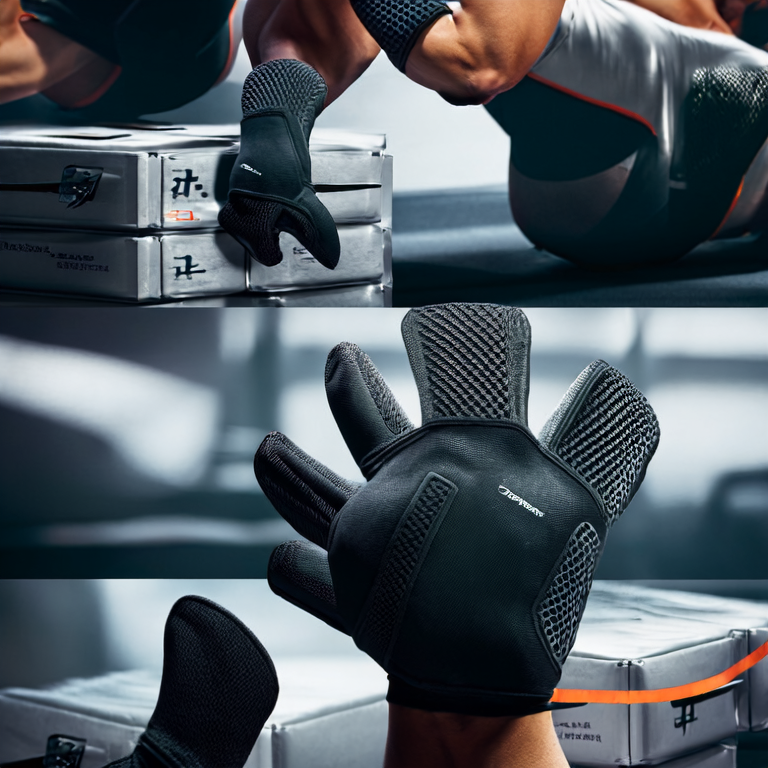
Manufacturers increasingly prioritize direct feedback from athletes to develop products that enhance performance. This feedback guides design adjustments, material choices, and technological innovations to meet specific grip performance needs.
Collecting Feedback Effectively
Gathering feedback can be done through various methods: surveys, interviews, or focus groups. Establish a regular communication channel to encourage open dialogue.
Step-by-Step Guide to Improving CrossFit Hand Grip Performance
Step 1: Identify Pain Points
One of the first steps is to understand the specific issues athletes face. This can involve:
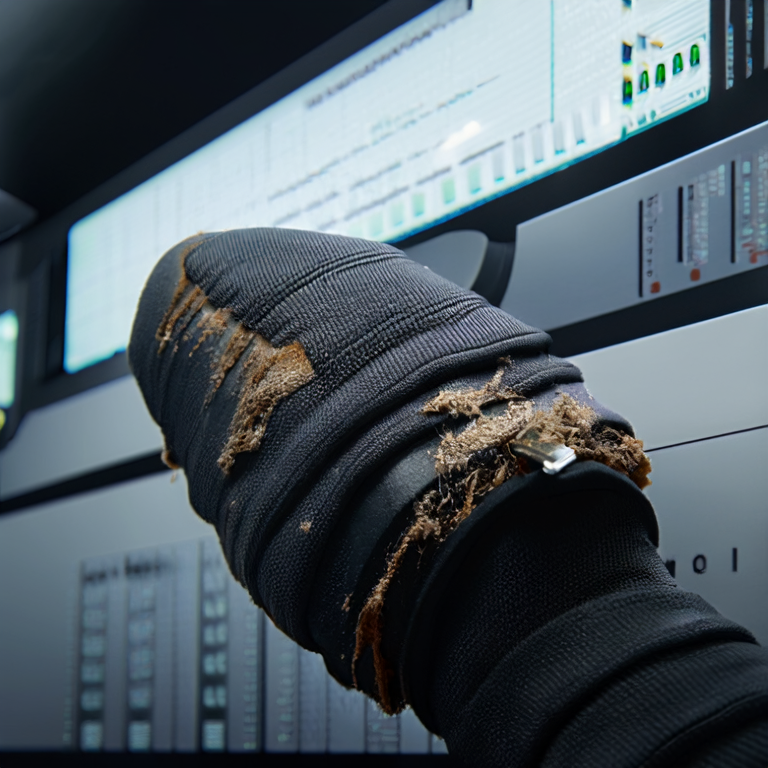
- Conducting surveys to pinpoint grip issues (slippage, comfort, durability).
- Observing athletes during workouts to note behaviors and reactions.
Step 2: Collaborate with Athletes for Solutions
Team up with athletes to brainstorm potential product features. It's vital to ensure that their insights lead the design's direction:
- Organize workshops or brainstorming sessions.
- Encourage athletes to share ideas on materials, textures, and ergonomics.
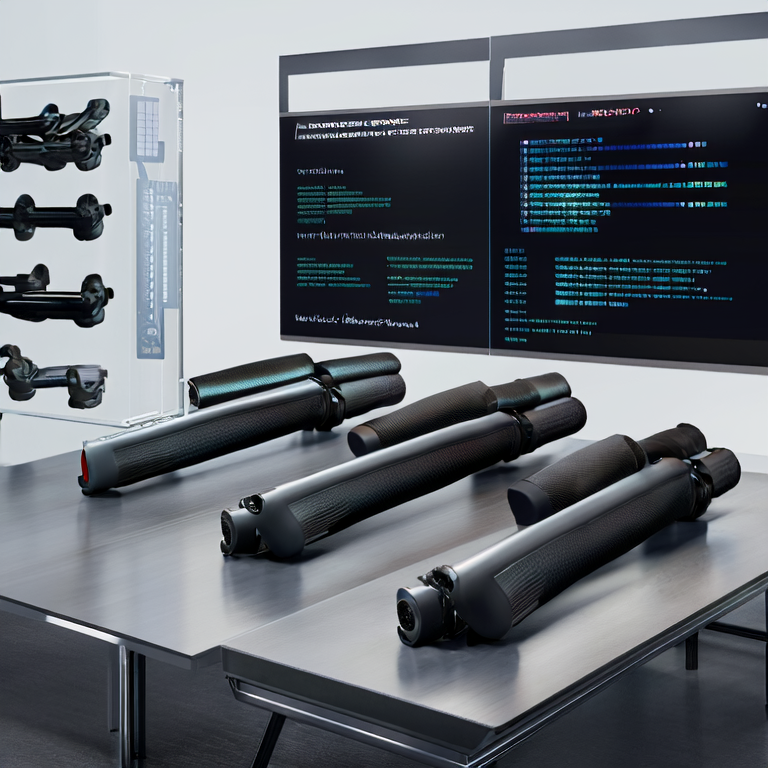
Step 3: Prototype Development
Using athlete feedback to develop prototypes involves:
- Creating initial designs based on gathered insights.
- Using materials that address the identified comfort and performance issues.
Step 4: Iterative Testing and Feedback Loop
Testing prototypes with athletes should continue until the final product meets performance expectations:
- Organize testing sessions where athletes evaluate prototypes.
- Collect feedback proactively to refine designs.
Step 5: Final Adjustments and Production
Before launching, ensure the product is dusted off by revising it based on the final round of feedback:
- Make any last-minute design tweaks.
- Commence production once all concerns are addressed.
Required Tools for Developing Hand Grip Performance Products
Essential Tools List
The following tools are critical during the manufacturing process:
- 3D modeling software for design.
- Prototyping materials (various rubbers, plastics).
- Testing equipment to measure grip strength and comfort.
Avoiding Common Mistakes in Product Development
Typical Pitfalls to Watch Out For
To streamline the process and avoid setbacks, keep these mistakes in mind:
- Neglecting to involve athletes in the design phase.
- Failing to test prototypes adequately before production.
- Ignoring data from athlete feedback sessions.
Conclusion: The Future of Hand Grip Performance
By leveraging athlete feedback, manufacturers like Zechen Fitness can create superior CrossFit hand grips that enhance performance and safety, resulting in products that athletes trust and prefer. Remember, integrating continuous feedback into your design process fuels innovation, leading to a competitive edge in the marketplace.