|
News/Blog
Jul. 27, 2026
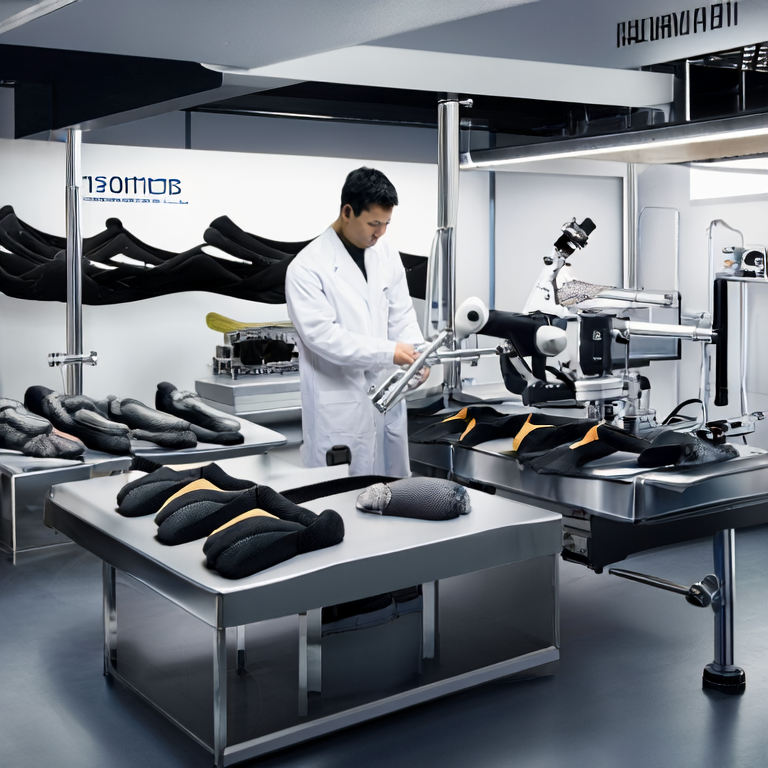
When it comes to fulfilling large-scale orders, manufacturers face a myriad of challenges that can lead to production delays, supply chain issues, or even product quality concerns. For instance, Crossfit Protective Gear Manufacturers often deal with fluctuating demand, requiring agile manufacturing processes to keep up. The real intention behind these concerns lies in the need for timely delivery and quality assurance. This necessity drives manufacturers to implement robust systems and adopt advanced technologies to streamline production workflows.
Many manufacturers, including those in the Crossfit gear segment, find themselves struggling with several core issues:
Supply Chain Disruptions: Component shortages can stall production timelines.
Quality Control Challenges: Maintaining consistent quality at scale is often difficult.
Logistics Complexity: Managing distribution channels effectively is crucial for meeting deadlines.
To address these problems, manufacturers can implement several strategies that have proven effective in the industry. For example, Zechen Fitness, renowned for its Crossfit protective gear, has honed its operations to meet large order demands strikingly well.
Before embarking on large-scale production, manufacturers should prepare the following:
Advanced ERP Software: Vital for inventory management and resource planning.
Quality Assurance Protocols: Detailed checks to ensure product standards.
Strategic Supplier Relationships: Solid connections to ensure a steady supply of raw materials.
To adapt production processes effectively, consider the following actionable steps:
Assess Demand Forecasting: Utilize historical data to predict future demands effectively.
Evaluate Current Supply Chain: Identify bottlenecks and streamline sourcing of materials.
Implement Lean Manufacturing Techniques: Adopt methodologies that reduce waste and improve efficiency.
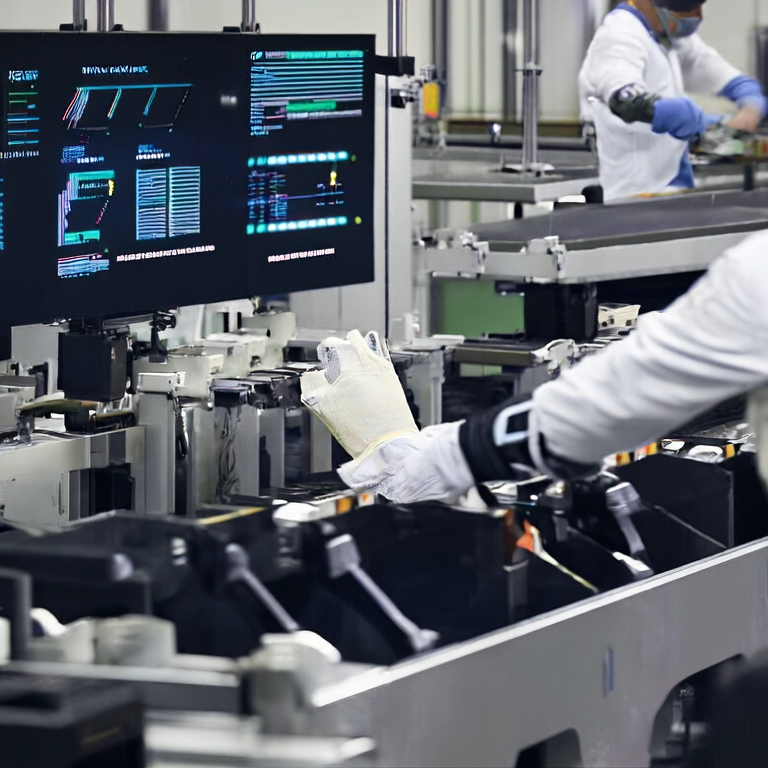
Invest in Automation: Use robotic systems to enhance production speed—manufacturers report a 25% increase in output after automation.
Enhance Quality Assurance: Review protocols and integrate automated quality checks to reduce defect rates to below 1%.
While implementing these steps, manufacturers may encounter certain pitfalls:
Over-Reliance on Single Suppliers: Diversifying suppliers minimizes risk. Consider establishing relationships with at least three reliable suppliers for key components.
Inadequate Training: Ensure personnel are well-trained on new systems and processes; a well-trained workforce can boost productivity by nearly 20%.
Ignoring Data Analytics: Utilize data to drive decisions—companies leveraging analytics see an improvement in operational efficiency of about 15%.
Manufacturers can successfully adapt their production processes for large-scale orders by leveraging technology, streamlining supply chains, and implementing robust quality assurance measures. Embracing the principles of lean manufacturing and investing in automation not only alleviate delays but also enhance product quality. As seen with Zechen Fitness, industry leaders continue to push the envelope with these practices, ensuring they meet the evolving demands of their market.
Q: What is the role of automation in manufacturing?
A: Automation increases production efficiency and reduces costs. Companies often see a 25% increase in output after implementing automated systems.
Q: How can manufacturers improve their supply chains?
A: By assessing and diversifying suppliers and investing in advanced logistics solutions, manufacturers can effectively mitigate risks associated with supply chain disruptions.
Q: What are lean manufacturing principles?
A: Lean manufacturing focuses on minimizing waste without sacrificing productivity, often resulting in improved overall efficiency by around 20%.
Latest News
Leave Your Message